Tiny Houses on Wheels: 10 Critical Factors for Family Living
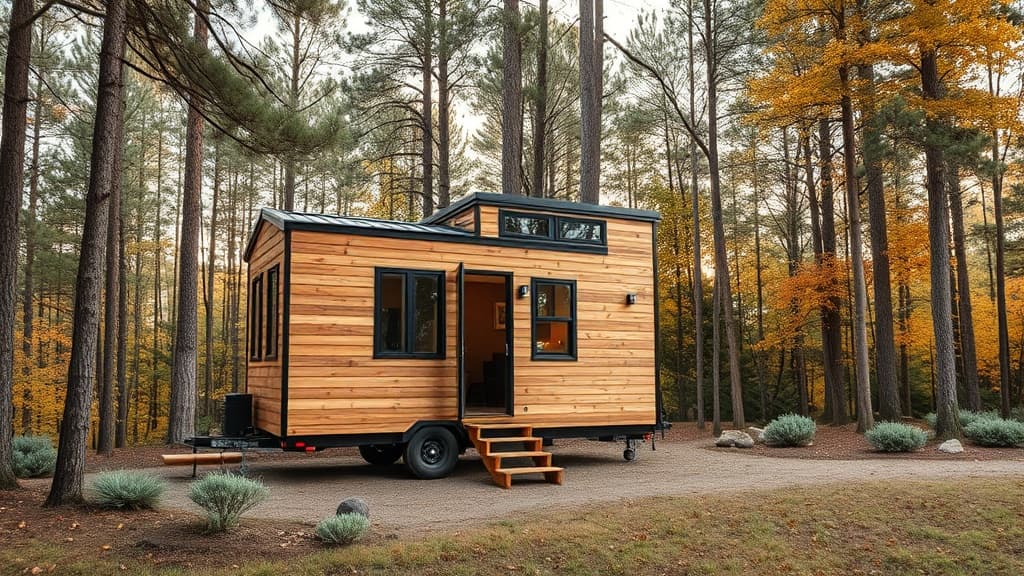
Tiny houses on wheels are more than just a trend; they epitomize a lifestyle shift towards minimalism and sustainability, offering families the chance to live lightly and close to nature. For those contemplating this innovative way of life, understanding key factors is essential for making the most of family living in such compact spaces. Let’s explore ten critical considerations that can help you transition to this exciting lifestyle.
1. Space Optimization
One of the most crucial aspects of living in a tiny house on wheels is maximizing the use of space. Carefully planned layouts, multi-functional furniture, and storage solutions are vital.
Key Tips:
- Multi-use Furniture: Choose furniture that can serve multiple purposes, like a sofa that converts into a bed or an expandable dining table.
- Vertical Storage: Use vertical spaces for storage by incorporating shelves and cabinets that go up to the ceiling, taking advantage of every square inch.
2. Family Size and Lifestyle
Families come in all shapes and sizes, and it’s vital to evaluate how your family dynamics fit into a tiny living experience.
Considerations:
- Adaptability: Are your family routines adaptable to a smaller space?
- Support System: Do you have a support system or community nearby? Building connections will help ease this transition.
3. Design Choices
The aesthetic of your tiny home significantly affects the living environment’s comfort level. It’s essential to choose designs that reflect your family’s style while being functional.
Suggested Features:
- Open Floor Plans: They create a sense of spaciousness.
- Natural Lighting: Skylights and large windows can brighten the space and connect you with nature.
4. Eco-Friendliness
For eco-conscious families, tiny houses present an opportunity to reduce their carbon footprint without sacrificing comfort. Embracing sustainable practices is key.
Eco Tips:
- Energy-Efficient Appliances: Consider solar panels and energy-efficient appliances to manage power usage effectively.
- Water Conservation: Install rainwater collection systems and low-flow fixtures.
5. Mobility
Tiny houses on wheels offer the unique advantage of mobility, allowing families to travel and explore diverse environments. However, it comes with its own challenges.
Things to Consider:
- Local Regulations: Check local zoning laws and RV regulations to ensure your tiny house can be legally parked and lived in.
- Maintenance: Regular maintenance of the wheels and towing equipment is essential for safe traveling.
6. Outdoor Living
Living close to nature can significantly enhance the tiny house experience. Consider the outdoor area as an extension of your living space.
Outdoor Tips:
- Decking and Patios: Outdoor living rooms with patios, fire pits, or gardens can extend your space.
- Recreational Opportunities: Choose locations that offer hiking, biking, and other outdoor family activities.
7. Budgeting
Tiny house living can be as budget-friendly as you make it, but upfront costs can vary dramatically. Careful financial planning is crucial.
Financial Tips:
- Initial Costs: Include the costs of land (if applicable), construction or renovations, and utilities in your budget.
- Ongoing Expenses: Don’t forget to account for maintenance and lifestyle expenses.
8. Community and Support
Finding or building a community plays a significant role in tiny house living.
Community Benefits:
- Support Network: Engage with local tiny house groups or forums for advice and emotional support.
- Social Activities: Participate in community-building activities such as potlucks or workshops to nurture relationships.
9. Education and Resources for Kids
For families, particularly those with children, ensuring access to educational resources is imperative.
Educational Strategies:
- Homeschooling: Consider homeschooling strategies that fit within your family’s lifestyle.
- Local Schools: Research local schools and co-op programs that may welcome children from tiny home families.
10. Future Plans
Tiny living might be the perfect short-term solution for your family, but think about your long-term goals.
Planning Ahead:
- Expandability: Would you want to expand your space in the future? Design your tiny house in a way that allows for upgrades or additional structures.
- Resilience: Think about how to maintain this lifestyle during life changes, such as job shifts or family expansions.
What if you can live anywhere?
Tinyhouses.to New AI design generator lets you imagine any scenario—from location to style, the possibilities are unlimited. Once you know what you want, you can start thinking of renting or buying. We can help with that too.