Essential Features for Retired Couples Living in Tiny Houses
Essential Features for Retired Couples Living in Tiny Houses
Retirement is your opportunity to finally live on your own terms—and for many couples, that means embracing the freedom of tiny house living in nature. The key to a successful tiny house retirement lies in choosing features that prioritize comfort, accessibility, and long-term sustainability rather than just minimizing square footage.
Must-Have Structural Features for Retired Couples
Single-Level Living
Ground-level or minimal stairs are essential for aging in place comfortably. Consider:
- Split-level designs with just 2-3 steps between areas
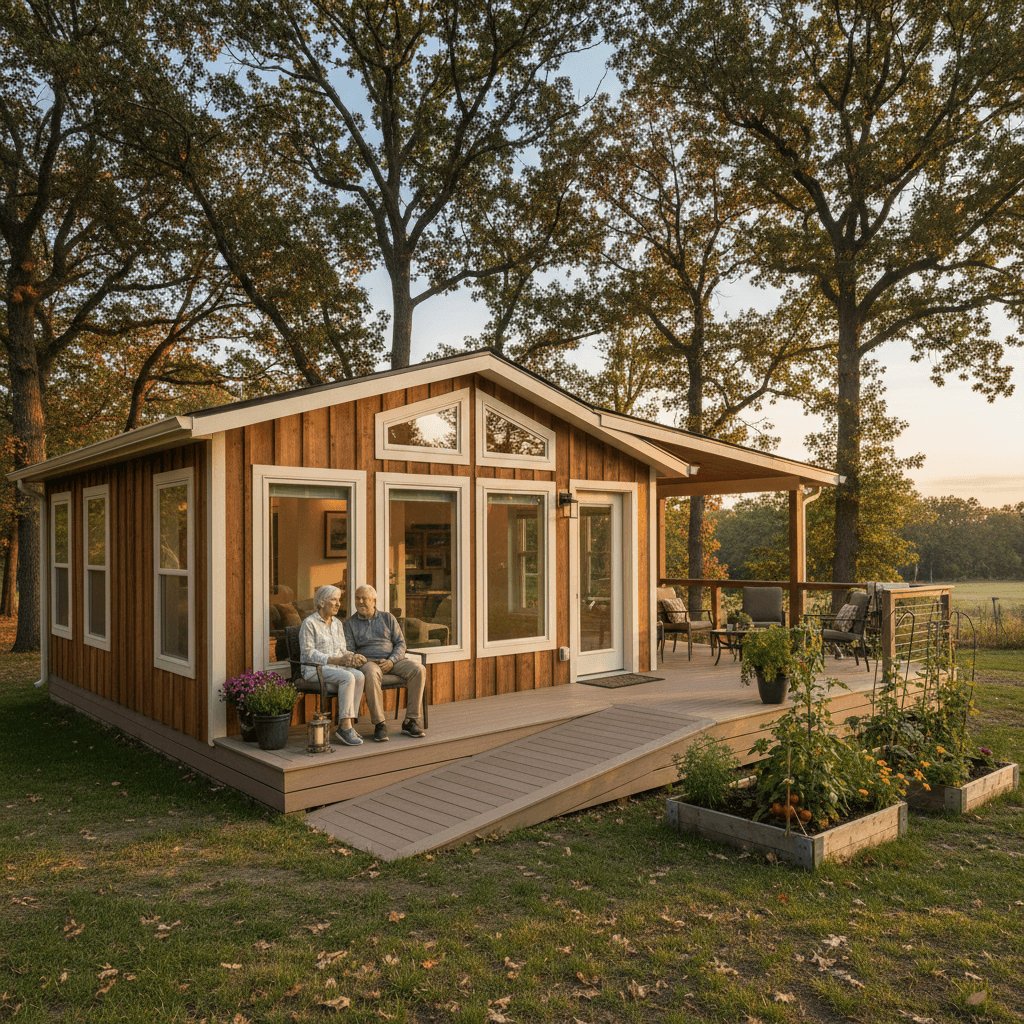
- Ramp access to main entrance
- Wide doorways (36 inches minimum) for future mobility needs
- Non-slip flooring throughout
Climate Control Systems
Consistent temperature control becomes more critical as we age:
- Mini-split HVAC systems for precise temperature zones
- Radiant floor heating for even warmth distribution
- High-quality insulation (R-30+ walls, R-50+ ceiling)
- Double or triple-pane windows for temperature stability
Adequate Storage Solutions
Smart storage prevents clutter-related safety hazards:
- Built-in wardrobes with pull-down hanging rods
- Deep drawer systems instead of high cabinets
- Under-bed storage with easy-access lifting mechanisms
- Dedicated spaces for medical supplies and equipment
Essential Kitchen Features for Long-Term Living
Full-Size Appliances
Don't compromise on cooking—it's central to health and happiness:
- 24-inch refrigerator with separate freezer compartment
- Convection oven that doubles as microwave
- Two-burner induction cooktop (safer than gas for seniors)
- Dishwasher drawer to reduce bending and lifting
Ergonomic Design Elements
- Pull-out shelving in lower cabinets
- Soft-close drawers and doors to prevent finger injuries
- Task lighting under cabinets and over prep areas
- Non-slip mats in sink and prep areas
Bathroom Safety and Comfort Features
Accessibility Essentials
Safety should never be an afterthought:
- Walk-in shower with fold-down seat
- Grab bars installed during construction (not added later)
- Comfort-height toilet (17-19 inches)
- Non-slip shower flooring with proper drainage
- Adequate lighting including nighttime pathway lighting
Space Optimization
- Pocket doors to maximize floor space
- Wall-mounted vanity for easier floor cleaning
- Medicine cabinet with secure latches
- Towel warmers for comfort and quick drying
Bedroom Comfort for Two
Sleep Quality Features
Good sleep becomes more important with age:
- Queen-size bed minimum (king if space allows)
- Memory foam or adjustable mattress options
- Separate climate zones if one partner runs hot/cold
- Blackout window treatments for better sleep
Personal Space Considerations
- Individual reading lights and charging stations
- Separate closet areas or clearly divided storage
- Privacy curtains or room dividers if needed
- Soundproofing between bedroom and living areas
Technology and Communication Essentials
Staying Connected
Reliable communication is crucial when living remotely:
- High-speed internet capability (Starlink or cellular boosters)
- Landline backup for emergencies
- Smart home systems for easy lighting and temperature control
- Security cameras and alert systems
Health and Safety Technology
- Medical alert systems with GPS capability
- Smoke and carbon monoxide detectors with battery backup
- Smart medication dispensers if needed
- Emergency communication devices
Essential Items for Long-Term Tiny House Living
Kitchen and Dining Essentials
- Quality cookware set (3-4 versatile pieces)
- Sharp knives with safe storage
- Stackable dinnerware for space efficiency
- Collapsible items: colanders, measuring cups, mixing bowls
- Thermal cooking pots for energy efficiency
- Water filtration system for remote locations
Comfort and Lifestyle Items
- Comfortable seating with proper back support
- Reading chairs with good lighting
- Hobby storage (crafts, woodworking, gardening supplies)
- Exercise equipment suitable for small spaces
- Board games and books for entertainment
- Outdoor furniture for nature connection
Health and Wellness Supplies
- First aid kit with prescription medications
- Blood pressure monitor and basic health tools
- Heating pads and comfort items
- Air purifier for indoor air quality
- Humidifier/dehumidifier as needed
- UV water sterilization for well water
Utility and Maintenance Items
- Tool kit for basic repairs
- Cleaning supplies suitable for small spaces
- Emergency supplies (flashlights, batteries, radio)
- Generator backup for power outages
- Water storage containers
- Composting toilet supplies if off-grid
Seasonal and Weather Preparation
- Extra blankets and warm clothing
- Ice removal tools for winter climates
- Insect protection for summer months
- Storm preparation supplies
- Portable air conditioning backup
Financial Considerations for Retirement Tiny Living
Budgeting for Comfort
Quality features cost more upfront but save money long-term:
- Invest in commercial-grade appliances for longevity
- Choose low-maintenance materials to reduce ongoing costs
- Plan for accessibility upgrades as needs change
- Budget for professional maintenance of complex systems
Utility Independence
- Solar power systems with battery backup
- Rainwater collection and storage
- Propane systems for cooking and heating backup
- Satellite internet for reliable connectivity
Location-Specific Considerations
Climate Adaptations
Your tiny house features should match your chosen environment:
- Cold climates: Extra insulation, heated water lines, snow load considerations
- Hot climates: Superior cooling systems, UV-resistant materials, ventilation
- Humid climates: Dehumidification systems, mold-resistant materials
- Windy areas: Reinforced anchoring, storm shutters
Remote Living Preparations
- Backup communication systems
- Extended food storage capabilities
- Medical emergency planning
- Transportation considerations for supply runs
Making the Decision: Your Next Steps
Retirement in a tiny house isn't about living with less—it's about living with intention. Every feature you choose should enhance your daily life and support your long-term health and happiness. The initial investment in quality features and essential items will pay dividends in comfort, safety, and peace of mind.
Start your tiny house retirement journey today by exploring professionally designed homes that incorporate these essential features. At TinyHouses, our retirement-focused designs prioritize the comfort and accessibility features that matter most to couples ready to embrace their next adventure.
Frequently Asked Questions
How much space do two retired people really need in a tiny house?
400-600 square feet provides comfortable living for a retired couple when designed efficiently. This allows for separate personal spaces, full-size appliances, and adequate storage without feeling cramped. Consider expandable designs with slide-outs or detached studios for hobbies.
What's the most important safety feature for seniors in tiny houses?
Single-level living with wide doorways and grab bars tops the list. Eliminating stairs removes the biggest safety risk, while 36-inch doorways accommodate future mobility aids. Professional grab bar installation during construction is much stronger than retrofitting.
How do you handle medical emergencies when living remotely in a tiny house?
Multiple communication systems and emergency planning are essential. Install both cellular boosters and satellite communication. Keep detailed medical information readily available, maintain relationships with local emergency services, and consider a medical alert system with GPS capability.
What's the average cost for a retirement-ready tiny house with all essential features?
Expect to invest $80,000-150,000 for a quality tiny house with accessibility features, premium appliances, and safety systems. While this seems high, it's significantly less than traditional retirement housing and eliminates monthly rent or mortgage payments.
How do you maintain independence while living in a remote tiny house?
Reliable utilities and transportation are key to independence. Invest in solar power with battery backup, water storage systems, and maintain a reliable vehicle for supply runs. Plan for seasonal accessibility challenges and establish relationships with local service providers.
TinyHouses Team
The TinyHouses editorial team shares insights, stories, and guides about the tiny house movement.