How to Design Modern Tiny Homes: Your Complete Guide to Smart Living
Imagine stepping into a home where every square inch serves a purpose, where clean lines meet warm functionality, and where your family can thrive without the burden of excess. This isn't just a minimalist fantasy—it's the reality of modern tiny house living, and it's more achievable than you might think.
For families feeling overwhelmed by traditional housing costs, maintenance demands, and the constant accumulation of stuff, tiny house design offers a refreshing alternative. But how do you create a space that's both modern and functional for your family's unique needs?
Understanding Modern Tiny House Design Philosophy
Modern tiny house design isn't about cramming everything you own into a smaller box. It's about intentional living—choosing what truly matters and designing around those priorities.
The modern aesthetic emphasizes:
- Clean, geometric lines that create visual calm
- Multi-functional spaces that adapt throughout the day
- Natural light maximization to make spaces feel expansive
- Smart storage integration that maintains sleek appearances
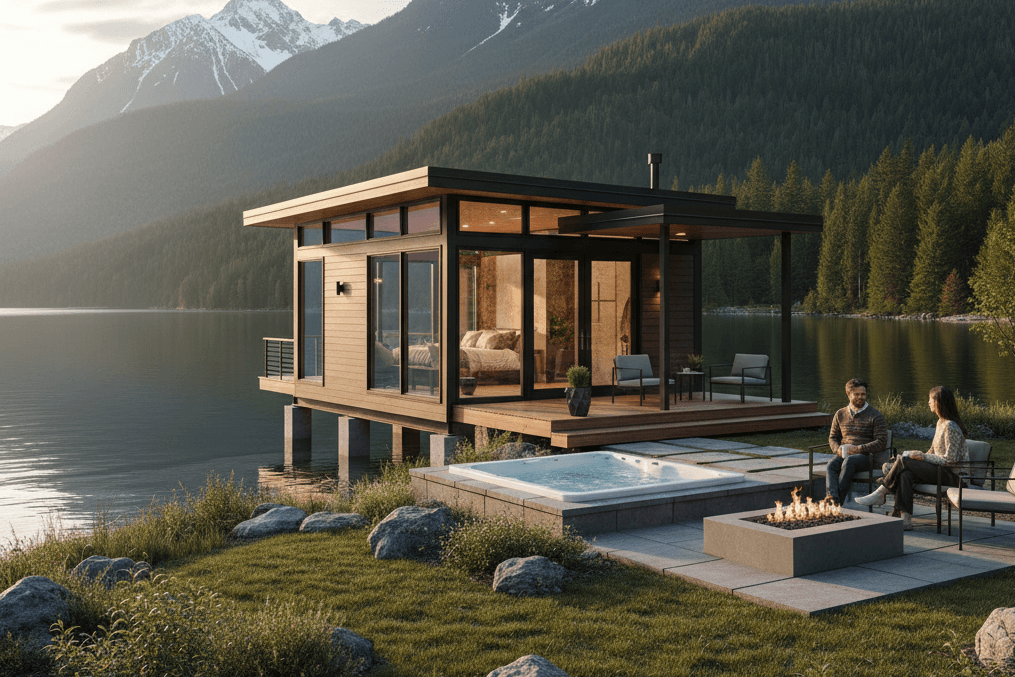
- Indoor-outdoor connection that extends your living space naturally
Think of it like the efficiency of a well-designed city apartment, but with the freedom to place it wherever you want to wake up each morning.
Essential Design Principles for Family-Friendly Tiny Homes
1. Vertical Living Strategy
In tiny house design, thinking vertically transforms everything. Modern families are discovering that going up, not out, creates surprisingly spacious homes.
Key vertical elements:
- Loft bedrooms that feel like private retreats
- Floor-to-ceiling storage that disappears into the design
- Mezzanine levels for play or work spaces
- High ceilings that create an airy, open feeling
2. Flexible Space Planning
Modern tiny houses excel at spaces that transform. Your morning coffee nook becomes your evening homework station, while the living room converts to a guest bedroom when needed.
Smart flexibility ideas:
- Murphy beds that reveal home offices
- Dining tables that extend or fold completely away
- Modular seating that reconfigures for family movie night
- Kitchen islands on wheels that adapt to cooking or crafting
3. Light and Color Psychology
Modern design uses light and color strategically to make small spaces feel generous and welcoming.
Design techniques that work:
- Large windows positioned to frame outdoor views
- Light, neutral color palettes that reflect natural light
- Strategic accent walls that add depth without overwhelming
- Skylights that bring unexpected light from above
Interior Design: Creating Modern Comfort
The Modern Tiny Kitchen
Your kitchen becomes the heart of efficient living. Modern tiny house kitchens prove that size doesn't limit culinary creativity.
Essential modern kitchen features:
- Streamlined appliances: Think induction cooktops, compact dishwashers, and counter-depth refrigerators
- Smart storage solutions: Pull-out pantries, magnetic spice racks, and under-cabinet organization
- Multi-level prep areas: Creating different work heights for various family members
- Open shelving: Displaying beautiful dishware while maintaining the modern aesthetic
Living Spaces That Multitask
Modern tiny house living areas need to serve multiple functions without feeling cluttered or compromised.
Design strategies:
- Built-in seating with hidden storage underneath
- Wall-mounted entertainment systems that don't take floor space
- Convertible furniture that transforms based on need
- Defined zones using rugs, lighting, or ceiling changes
Private Spaces in Small Homes
Every family member needs personal space, even in a tiny house. Modern design creates privacy through clever architectural solutions.
Privacy creation techniques:
- Sliding barn doors that save space while defining rooms
- Curtain systems that create temporary private nooks
- Loft spaces that feel separate from main living areas
- Sound-dampening materials integrated into the design
Exterior Design: Your Home's First Impression
Modern Architectural Elements
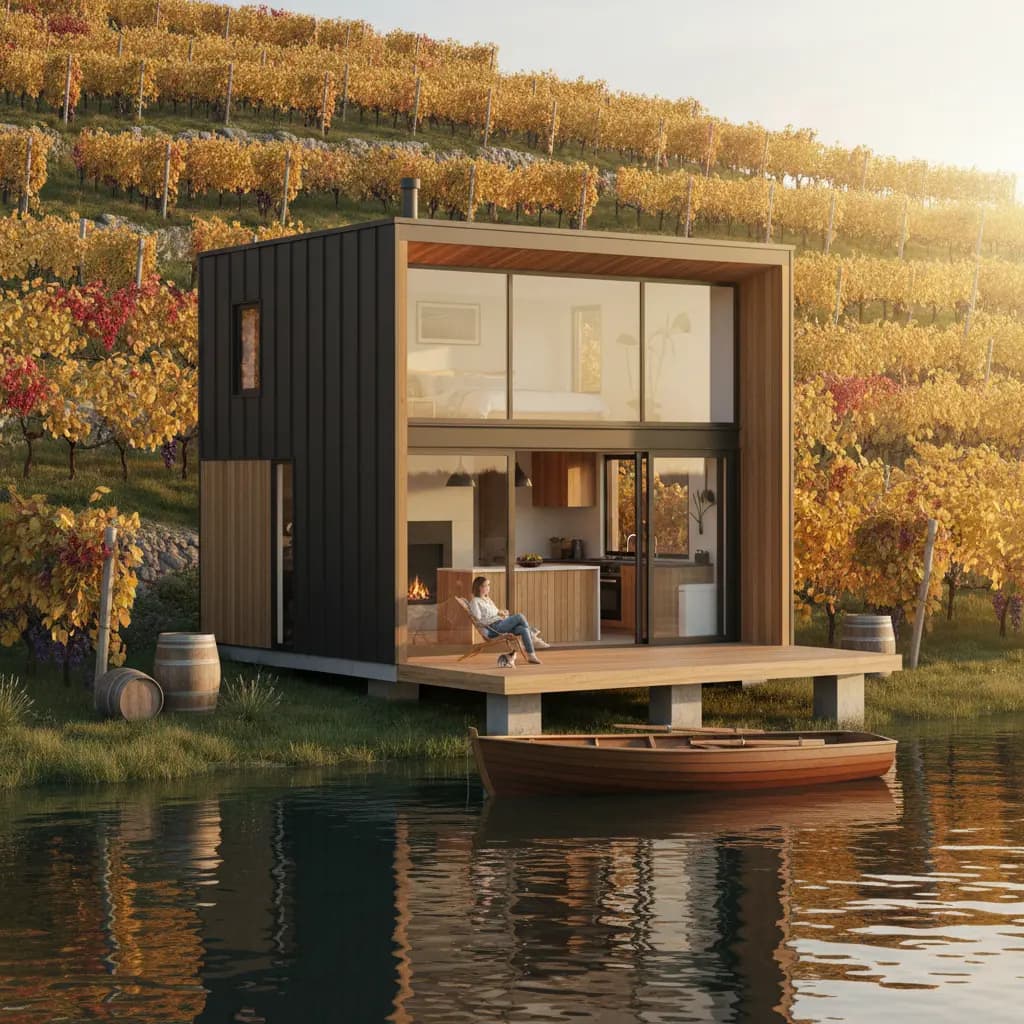
The exterior of your tiny house sets the tone for everything inside. Modern tiny house design embraces clean lines and natural materials.
Popular modern exterior features:
- Mixed materials: Combining wood, metal, and glass for visual interest
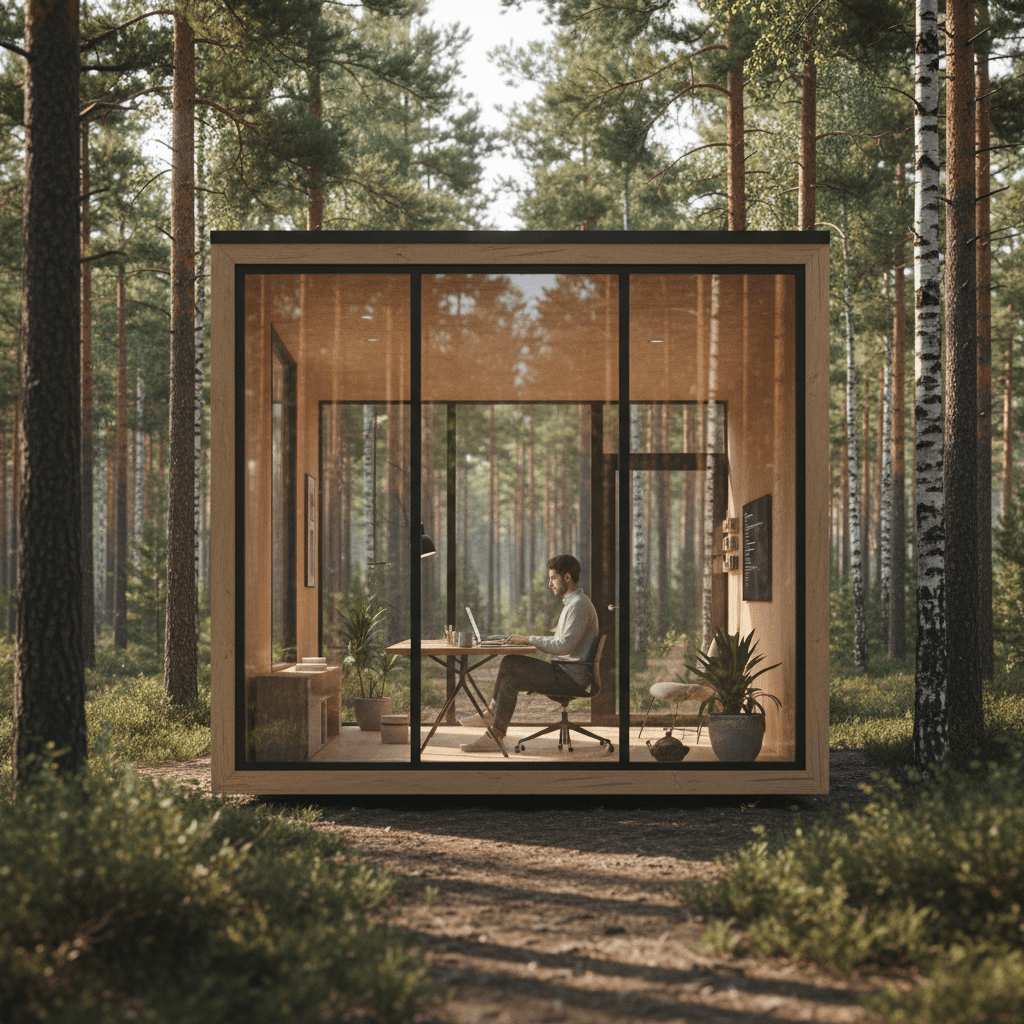
- Large picture windows: Creating connections between inside and outside
- Flat or shed-style roofs: Offering clean, geometric silhouettes
- Covered outdoor spaces: Extending living areas into nature
Sustainable Modern Materials
Modern doesn't mean environmentally unfriendly. Today's tiny house designs incorporate sustainable materials that look stunning and perform beautifully.
Eco-friendly material choices:
- Reclaimed wood siding that adds character and history
- Metal roofing that lasts decades and reflects heat
- Low-E windows that maximize energy efficiency
- Natural stone accents that connect to the landscape
Revolutionary Design Visualization: AI-Powered Planning
Here's where tiny house design gets truly exciting for modern families: you no longer need to rely solely on imagination or expensive architectural drawings to visualize your dream home.
Our AI Design Engine transforms the tiny house planning process. Instead of struggling to picture how design elements work together, you can:
- Visualize your tiny house in any setting: Beach, mountains, forest, or urban lot
- Explore interior layouts before making costly decisions
- Test different exterior materials and color combinations
- See how your home looks in different seasons and lighting conditions
- Make adjustments in real-time without starting over
This technology bridges the gap between dreaming and building. You can experiment with modern design elements, test family-friendly layouts, and ensure your tiny house truly fits your lifestyle—all before breaking ground.
Planning Your Modern Tiny House Design Process
Step 1: Define Your Family's Needs
Before diving into aesthetics, understand how your family actually lives:
- What activities happen simultaneously?
- Where do family members need privacy?
- What possessions are truly essential?
- How do you want to connect with outdoor spaces?
Step 2: Research and Inspiration Gathering
Modern design inspiration comes from everywhere:
- Scandinavian minimalism for cozy functionality
- Japanese space efficiency for smart storage
- California modernism for indoor-outdoor living
- Urban loft design for vertical space utilization
Step 3: Digital Visualization and Planning
Use AI design tools to:
- Test multiple layout configurations
- Visualize your home in its intended environment
- Experiment with materials and colors
- Share designs with family members for feedback
Making Modern Tiny House Living Work for Families
Storage Solutions That Don't Compromise Style
Modern design and family functionality aren't mutually exclusive. Smart storage integration maintains clean aesthetics while accommodating real family life.
Hidden storage innovations:
- Stair steps that open for toy storage
- Bench seating with lift-up compartments
- Wall panels that reveal organized closets
- Under-floor storage for seasonal items
Technology Integration
Modern families need modern connectivity. Tiny house design can incorporate technology seamlessly:
- Built-in charging stations that don't create clutter
- Smart home systems for lighting and climate control
- Hidden wiring that maintains clean lines
- Outdoor entertainment areas for family gatherings
The Future of Modern Tiny House Design
As more families discover the freedom of tiny house living, design innovation continues accelerating. We're seeing:
- Modular systems that grow with changing family needs
- Advanced materials that perform better while looking stunning
- Smart technology integration that makes small spaces more livable
- Sustainable systems that reduce environmental impact
The intersection of modern design principles, family functionality, and advanced visualization tools creates unprecedented opportunities for families ready to reimagine their lifestyle.
Your Journey Toward Modern Tiny House Living
Designing a modern tiny house for your family isn't just about creating a smaller version of traditional housing. It's about intentionally crafting a space that supports your values, reduces your environmental footprint, and gives you the freedom to live where and how you want.
With AI-powered design visualization, you can explore possibilities without risk, test ideas before committing, and create a home that truly reflects your family's vision of modern living.
The question isn't whether tiny house living can work for your family—it's whether you're ready to discover just how good life can be when every element of your home serves your dreams rather than demanding your energy.
Your modern tiny house adventure begins with a single visualization. What will yours look like?
TinyHouses Team
The TinyHouses editorial team shares insights, stories, and guides about the tiny house movement.